Discover Aragvi
Walking into Aragvi feels like stepping off Midtown Manhattan and into a warm Georgian dining room where time slows down just enough for you to enjoy every bite. Sitting at 230 E 44th St, New York, NY 10017, United States, this restaurant has quietly built a reputation among locals, diplomats, and food writers who crave something deeper than the usual diner fare or trendy small plates.
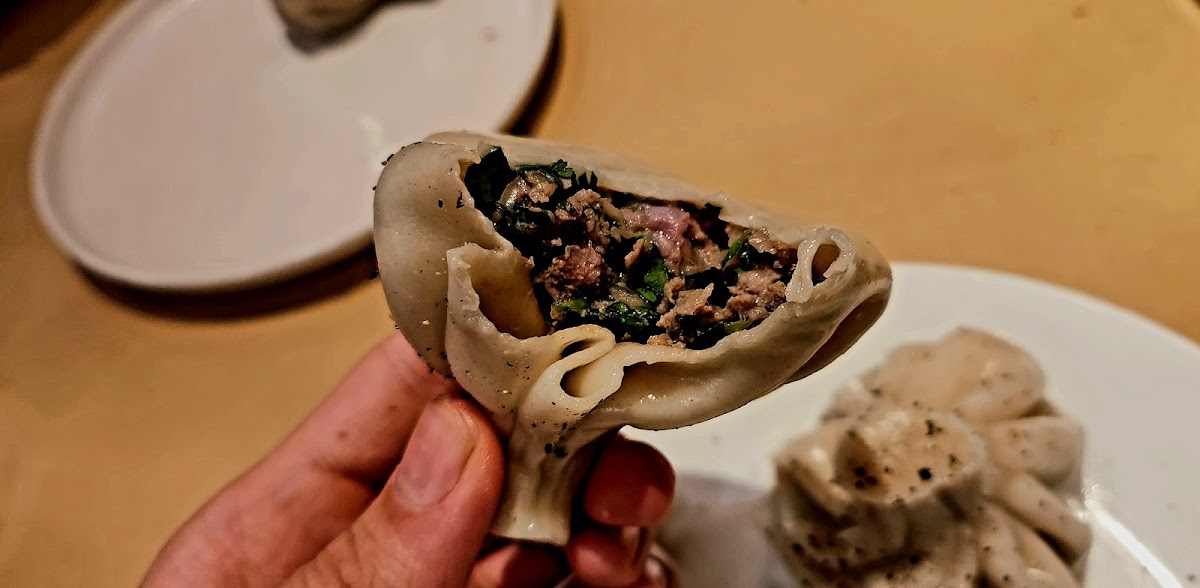
The menu leans heavily into traditional Georgian cuisine, which means bold flavors, generous portions, and recipes that have been refined over generations. The first time I ate here, a server gently suggested starting with khachapuri, explaining how the bread is baked until blistered, then filled with molten cheese and finished with butter and egg. Watching that dish arrive, still sizzling, was a reminder that some foods are meant to be experienced, not rushed. The technique itself mirrors methods documented by culinary historians from the Caucasus region, where bread baking is central to daily life.
What really sets this place apart is consistency. According to long-term customer reviews, the kitchen maintains steady quality even during peak dinner hours, something the National Restaurant Association often points out as a major challenge for independently owned restaurants. I’ve personally visited on both quiet weekday evenings and packed pre-theater nights, and the flavors never wavered. That kind of reliability builds trust, especially in a city where restaurants open and close at lightning speed.
Beyond the food, the wine list deserves attention. Georgia is considered one of the oldest wine-producing regions in the world, with archaeological research published by the National Academy of Sciences showing winemaking dating back over 8,000 years. Aragvi showcases this heritage with qvevri wines fermented in clay vessels, offering earthy, textured flavors you rarely find elsewhere in New York. A staff member once walked me through the process tableside, explaining how the clay interacts with the wine during fermentation. It felt less like a sales pitch and more like a cultural exchange.
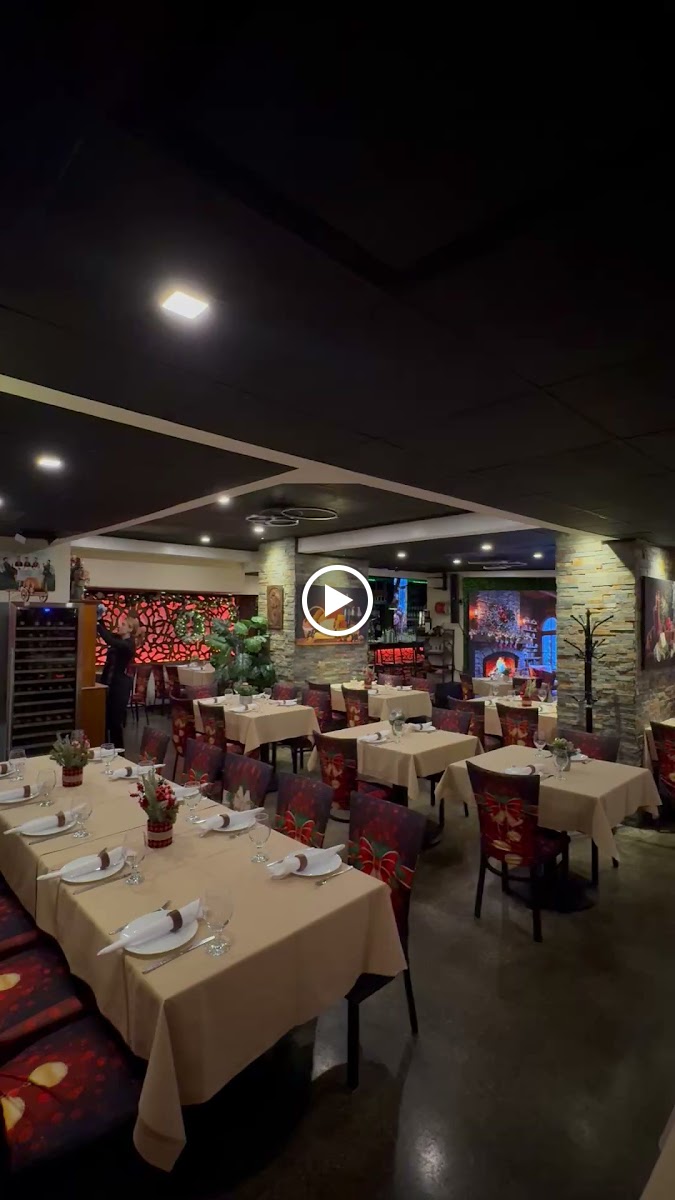
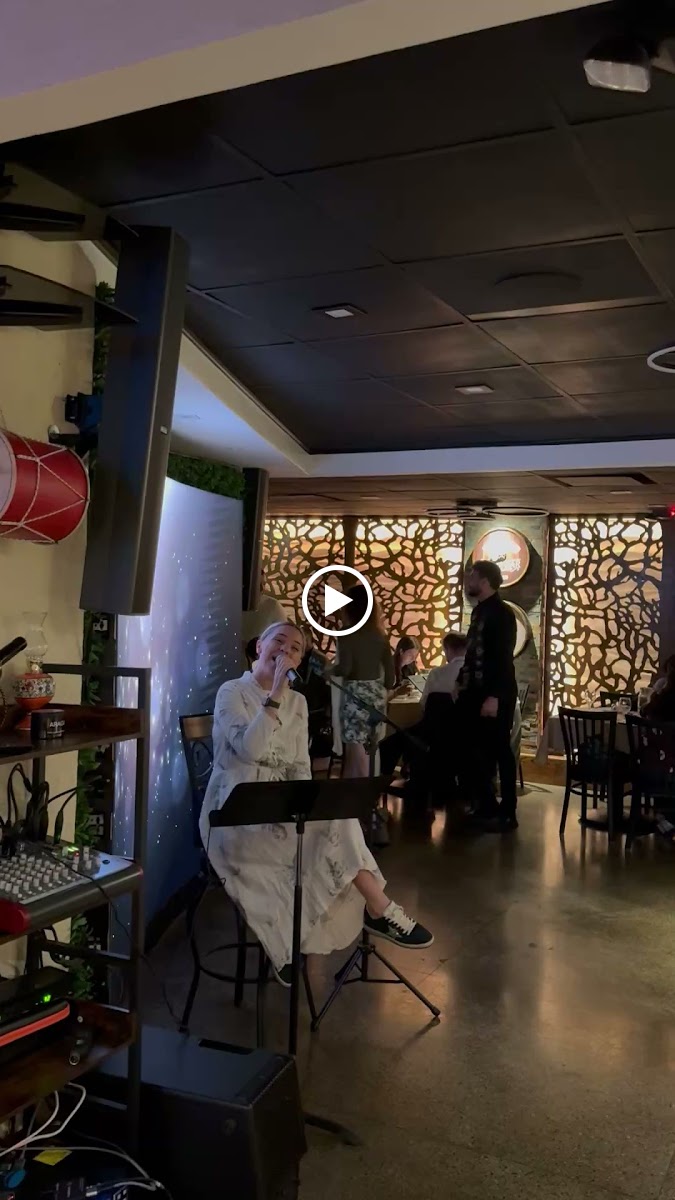
The dining room itself is relaxed but polished, making it suitable for business lunches, casual dinners, or late-night meals after work. Nearby locations like Grand Central Terminal make it easy to stop in, and many reviews mention how convenient the setting is for out-of-town guests staying in Midtown hotels. I’ve overheard more than one table comparing notes from previous visits, which says a lot about repeat appeal.
One regular I spoke with, a former hospitality consultant, mentioned that Aragvi follows a service rhythm similar to what Michelin inspectors often praise: attentive without hovering, knowledgeable without sounding rehearsed. While the restaurant doesn’t chase awards aggressively, its approach aligns closely with industry best practices recommended by organizations like the James Beard Foundation, especially when it comes to preserving culinary identity.
There are minor limitations worth noting. The menu focuses strongly on Georgian dishes, so diners looking for lighter or more familiar American options may find fewer choices. Portions are generous, which is great for sharing but might overwhelm solo diners. Still, these are intentional decisions rather than oversights, and they reinforce the restaurant’s clear point of view.
What keeps me coming back is how authentic everything feels, from the recipes to the hospitality. There’s no attempt to water things down or follow fleeting trends. Instead, Aragvi commits fully to deeply rooted flavors, traditional cooking methods, and warm, unpretentious service, creating an experience that feels honest and grounded in real culinary heritage.